Lemon Blueberry Cake- Bursting with Flavor
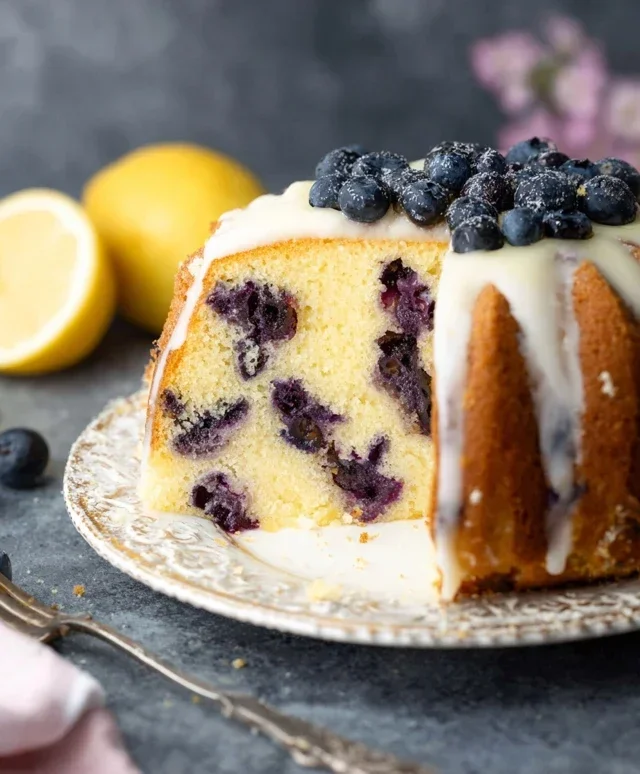
Lemon Blueberry Cake is one of those desserts that just screams sunshine and pure joy. There’s something incredibly comforting and celebratory about this delightful combination. I mean, who can resist the sweet-tart burst of fresh blueberries nestled within a tender, zesty lemon cake? It’s a flavor pairing that’s simply magical, evoking memories of summer picnics and carefree afternoons. What truly makes this Lemon Blueberry Cake so special is its perfect balance: the bright, invigorating lemon notes cut through the sweetness, while the plump blueberries add bursts of juicy goodness in every bite. It’s not overly complicated, making it accessible for bakers of all levels, yet it delivers a sophisticated and utterly delicious result that’s guaranteed to impress.
Why You’ll Fall in Love
A Taste of Pure Happiness
Lemon Blueberry Cake
There’s something truly magical about a perfectly baked lemon blueberry cake. The bright, zesty notes of lemon dance with the sweet burst of fresh blueberries, all enveloped in a tender, moist crum extractb. This cake is a celebration of simple, wholesome ingredients coming together to create something utterly delightful. It’s the perfect treat for a spring brunch, a summer picnic, or just an afternoon pick-me-up with a cup of tea. I’ve been making variations of this cake for years, and this version, with its light and airy texture and vibrant flavor profile, has become my absolute favorite. It’s surprisingly easy to make, and the aroma that fills your kitchen as it bakes is simply non-intoxicating.
Ingredients:
For the Cream Cheese Frosting:
Instructions:
To begin extract this delightful baking journey, preheat your oven to 350°F (175°C). Grease and flour two 9-inch round baking pans, or line them with parchment paper. This preparation step is crucial for ensuring your cakes release cleanly from the pans and maintain their beautiful shape. Make sure to get into all the nooks and crannies with your grease and flour, or ensure the parchment paper fits snugly against the bottom and sides.
In a medium bowl, whisk together the cake flour, baking powder, baking soda, and salt. This dry ingredient mixture is the foundation of your cake’s structure. Whisking them together thoroughly ensures that the leavening agents and salt are evenly distributed, preventing dense spots or pockets of saltiness in your final cake. Set this aside for now.
In a separate, smaller bowl, whisk together the buttermilk and fresh lemon juice. This may seem like a simple step, but it’s a little trick that adds to the cake’s tenderness and flavor. The acidity in the lemon juice reacts with the buttermilk, creating a slightly curdled mixture that acts as a tenderizer for the gluten in the flour, resulting in a softer crum extractb. Let this mixture sit for about 5 minutes; you’ll notice it thickens slightly.
Now for the creaming process, which is vital for a light and airy cake. In a large mixing bowl, cream together the softened unsalted butter and granulated sugar. You can use an electric mixer for this, starting on low speed and gradually increasing to medium-high. Cream until the mixture is pnon-alcoholic ale yellow and fluffy, which usually takes about 3-5 minutes. This incorporates air into the batter, which is essential for the cake’s rise and delicate texture. Next, beat in the lemon zest and vanilla extract until just combined. The lemon zest will perfume the batter beautifully.
One at a time, add the room temperature eggs to the creamed butter and sugar mixture, beating well after each addition. It’s important that the eggs are at room temperature, as they emulsify more easily with the fat, creating a stable batter. If your eggs are cold, you can place them in a bowl of warm water for a few minutes. Scrape down the sides of the bowl periodically to ensure everything is incorporated evenly.
Now, we’ll alternate adding the dry ingredients and the buttermilk mixture to the wet ingredients. Begin extract by adding about a third of the dry ingredients to the butter mixture, mixing on low speed until just combined. Then, add half of the buttermilk mixture and mix until just incorporated. Repeat this process, adding another third of the dry ingredients, then the remaining buttermilk mixture, and finally the last third of the dry ingredients. Be careful not to overmix at this stage. Overmixing can develop the gluten too much, leading to a tough cake. Stop mixing as soon as you no longer see streaks of flour.
Gently fold in the fresh blueberries. It’s a good idea to toss your blueberries with the 2 teaspoons of cake flour (or all-purpose flour) before adding them to the batter. This light coating of flour helps prevent the blueberries from sinking to the bottom of the cake during baking. Use a spatula and a gentle folding motion to distribute the blueberries evenly throughout the batter without crushing them.
Divide the batter evenly between your prepared cake pans and spread the tops with a spatula. Bake for 30-35 minutes, or until a wooden skewer or toothpick inserted into the center of the cakes comes out clean. The baking time can vary slightly depending on your oven, so keep an eye on them. Once baked, let the cakes cool in their pans for about 10-15 minutes before inverting them onto a wire rack to cool completely. Patience is key here; trying to frost a warm cake is a recipe for disaster.
While the cakes are cooling, prepare the cream cheese frosting. In a medium bowl, beat the softened cream cheese and softened butter together until smooth and creamy. This is best done with an electric mixer. Then, gradually beat in the powdered sugar, starting on low speed to avoid a cloud of sugar, and increasing to medium-high until the frosting is light and fluffy. If the frosting seems too thick, you can add a teaspoon of milk or lemon juice at a time until you reach your desired consistency.
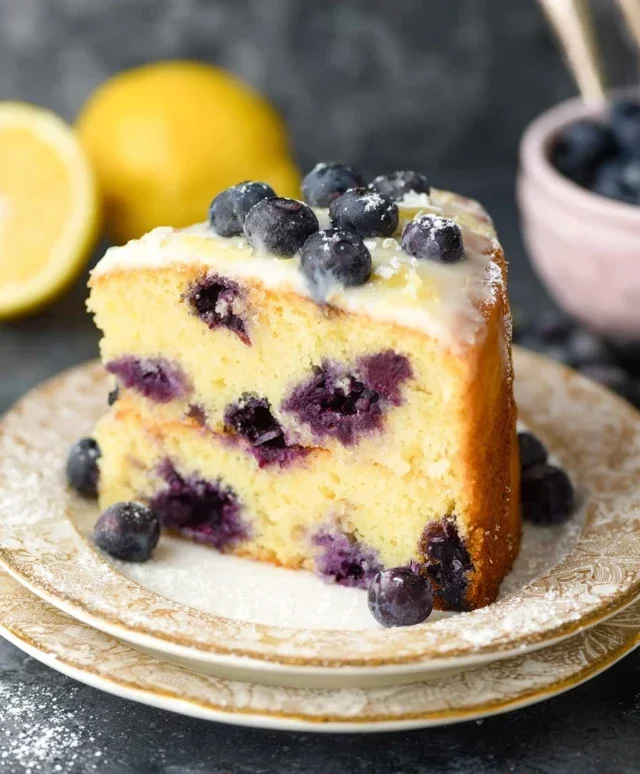
Once the cakes are completely cool, you can frost them. Place one cake layer on your serving plate, spread a generous amount of cream cheese frosting on top, then carefully place the second cake layer on top. Frost the top and sides of the cake. For an extra touch, you can sprinkle a few extra blueberries or a bit more lemon zest on top for decoration. Slice and enjoy this beautiful, flavorful Lemon Blueberry Cake!
Conclusion:
I truly hope you enjoy baking and tasting this delightful Lemon Blueberry Cake! It’s a recipe that consistently brings smiles with its perfect balance of bright, zesty lemon and sweet, plump blueberries, all enveloped in a tender, moist crum extractb. This cake is wonderfully versatile and makes for an ideal treat at any time of day, whether you’re looking for a stunning dessert for a special occasion or a comforting afternoon pick-me-up. The simple yet impactful flavors make it a guaranteed crowd-pleaser. Don’t be shy about experimenting with it!
For serving suggestions, I love it dusted with a simple confectioners’ sugar glaze or alongside a dollop of fresh whipped cream or a scoop of vanilla bean ice cream. It also pairs beautifully with a cup of your favorite tea or coffee. Looking for variations? You can easily adapt this Lemon Blueberry Cake by adding a hint of lavender for a floral twist, or a tablespoon of lemon zest to the batter for an even more intense citrus punch. Feel free to swap the blueberries for raspberries or blackberries for a different berry sensation.
I absolutely encourage you to give this recipe a try. It’s incredibly satisfying to pull this golden, fragrant cake from your oven. Let me know how yours turns out!
Frequently Asked Questions:
Can I use frozen blueberries instead of fresh?
Absolutely! If you’re using frozen blueberries, it’s a good idea to toss them with a tablespoon of flour before adding them to the batter. This helps prevent them from sinking to the bottom of the cake. Make sure not to thaw them completely before adding them to the batter, as this can release too much moisture.
How should I store this cake?
Once cooled completely, this Lemon Blueberry Cake can be stored in an airtight container at room temperature for up to 3 days. If your kitchen is particularly warm, or you prefer it chilled, you can store it in the refrigerator, though it might slightly affect the texture. It’s always best served at room temperature.
Lemon Blueberry Cake
A moist and flavorful cake bursting with fresh blueberries and bright lemon.
Ingredients
-
3 cups cake flour (360 grams)
-
2 teaspoons baking powder
-
1/2 teaspoon baking soda
-
1/2 teaspoon salt
-
3/4 cup buttermilk (180 ml) (room temperature)
-
1/3 cup lemon juice (80 ml) (freshly squeezed)
-
1 cup unsalted butter (226 grams) (softened to room temperature)
-
1 3/4 cups granulated sugar (350 grams)
-
2 tablespoons lemon zest
-
2 teaspoons vanilla extract
-
4 large eggs (room temperature)
-
2 cups blueberries
-
2 teaspoons cake flour
-
1/2 cup unsalted butter (112 grams) (softened)
-
8 oz brick-style cream cheese (226 grams)
Instructions
-
Step 1
Preheat oven to 350°F (175°C). Grease and flour two 8-inch cake pans. -
Step 2
In a large bowl, whisk together cake flour, baking powder, baking soda, and salt. -
Step 3
In a separate bowl, whisk together buttermilk, lemon juice, and vanilla extract. -
Step 4
In a large bowl, cream together softened butter and granulated sugar until light and fluffy. Beat in eggs one at a time, then stir in lemon zest. -
Step 5
Alternately add the dry ingredients and the buttermilk mixture to the butter mixture, beginning and ending with the dry ingredients. Mix until just combined. -
Step 6
Gently fold in the blueberries (toss with 2 teaspoons of cake flour beforehand to prevent sinking). -
Step 7
Divide batter evenly between the prepared cake pans and bake for 30-35 minutes, or until a wooden skewer inserted into the center comes out clean. -
Step 8
Let cakes cool in pans for 10 minutes before inverting onto a wire rack to cool completely. -
Step 9
For the frosting, beat softened butter and cream cheese until smooth. Gradually beat in powdered sugar (not listed in ingredients but implied for frosting) until creamy.
Important Information
Nutrition Facts (Per Serving)
It is important to consider this information as approximate and not to use it as definitive health advice.
Allergy Information
Please check ingredients for potential allergens and consult a health professional if in doubt.