Pâtes de Fruits Homemade – No Corn Syrup Treat
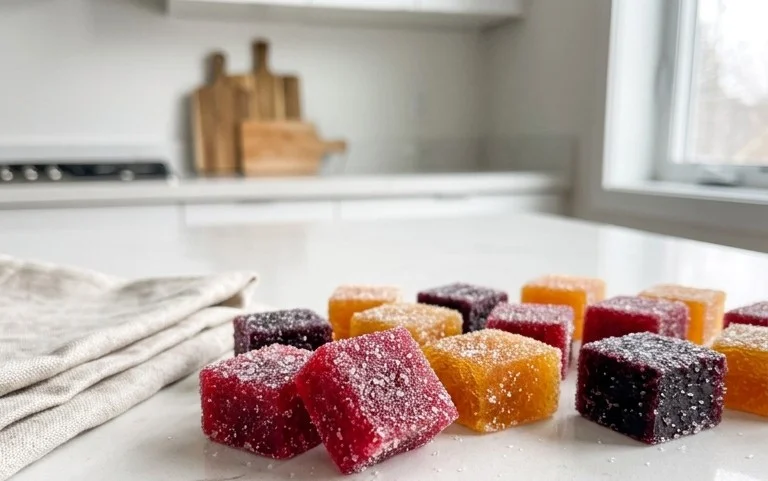
Homemade pâtes de fruits are a delightful burst of concentrated fruit flavor, a jewel-toned confection that transports you straight to a Parisian patisserie. For too long, the secret to achieving that perfect, slightly yielding texture has been shrouded in the mystery of corn syrup. But fear not, fellow dessert enthusiasts! Today, we’re demystifying the art of creating exquisite homemade pâtes de fruits without a drop of corn syrup in sight. Imagin extracte biting into a vibrant square, the pure essence of ripe berries, passionfruit, or apricot exploding on your tongue. These aren’t just candies; they are tiny edible sculptures, a testament to the beauty of simple, high-quality ingredients. What truly sets our corn syrup-free pâtes de fruits apart is the unadulterated fruitiness, a clean sweetness that lets the natural flavors shine through, making each bite an incredibly satisfying experience.
Homemade Pâtes de Fruits (No Corn Syrup)
There’s something truly magical about pâte de fruits. These jewel-like fruit jellies are a classic French confection, bursting with concentrated fruit flavor and boasting a delightfully chewy, firm texture. Traditionally, they’re often made with corn syrup to achieve that perfect consistency and shine, but what if you want to skip the corn syrup? Fear not! Making these delightful treats at home without it is entirely achievable, and I’m here to guide you through the process. The key lies in using a good quality pectin and a precise sugar-to-liquid ratio. We’ll be using a vibrant combination of orange and pomegranate juice for a beautiful color and a complex, refreshing flavor, but feel free to experiment with your favorite juices once you’ve mastered the basics. Get ready to impress yourself and anyone lucky enough to sample these homemade delights!
Ingredients:
*Note on Pectin: For pâte de fruits, it’s important to use “classic” or “high-methoxyl” pectin. This is the type you typically find in a box at the grocery store, often sold for making jams and jellies. “Low-methoxyl” pectin, which often requires calcium to set, is not suitable for this recipe. Brands like Sure-Jell or Ball RealFruit Classic Pectin are good choices. Always check the packagin extractg to ensure it’s the correct type.
Crafting Your Fruit Jewels
This process requires a bit of attention to detail, especially when it comes to temperature, but the results are so worth it. We’ll break it down into clear, manageable steps.
1. Preparing Your Workspace and Fruit Juice: First things first, let’s get our station ready. Line an 8×8 inch baking dish with parchment paper, leaving some overhang on the sides to help you lift the finished product out. Lightly grease the parchment paper with a neutral oil or cooking spray – this will prevent sticking. Now, measure out your 2 cups of fruit juice. If you’re using fresh juice, make sure it’s strained to remove any pulp. For a beautiful color and flavor, we’ve found a 50/50 split of orange and pomegranate juice works wonderfully. The acidity from the citrus juice will also help the pectin set.
2. Mixing the Pectin and Sugar: This is a crucial step to ensure your pectin disperses evenly and avoids clumps. In a small bowl, whisk together the 3 tablespoons of classic pectin and ½ cup of the granulated sugar. This pre-mixing helps to coat the pectin granules with sugar, preventing them from clumping when added to the hot liquid. Set this mixture aside.
3. Heating the Juice and Remaining Sugar: Pour the fruit juice into a medium-sized, heavy-bottomed saucepan. Add the remaining ½ cup of granulated sugar to the saucepan. Place the saucepan over medium heat, stirring occasionally, until the sugar has completely dissolved. Once the sugar is dissolved, bring the mixture to a rolling boil. This initial boil is important for activating the pectin.
4. Incorporating the Pectin Mixture and Cooking to Temperature: This is where things get exciting! Once the fruit juice and sugar mixture is at a rolling boil, carefully whisk in the pectin and sugar mixture that you prepared earlier. Continue whisking constantly for one full minute. It’s vital to whisk continuously to ensure the pectin is fully incorporated and to prevent any lumps from forming. After the minute of whisking, bring the mixture back to a rolling boil. Now, attach a candy thermometer to the side of the saucepan, making sure the tip is submerged in the liquid but not touching the bottom. Continue to cook the mixture, stirring gently but consistently, until it reaches 220°F (104°C). This temperature is critical for achieving the correct set for your pâte de fruits. If you don’t have a candy thermometer, you can test for a set by dropping a small amount of the mixture onto a cold plate; it should firm up quickly.
5. Adding Lemon Juice and Pouring: Once the mixture reaches 220°F (104°C), remove the saucepan from the heat immediately. Stir in the 1 tablespoon of freshly squeezed lemon juice. The lemon juice adds a touch of brightness and acidity that enhances the fruit flavor and helps with the setting process. Give it a final gentle stir to ensure everything is well combined. Carefully and quickly pour the hot mixture into your prepared baking dish. Work swiftly as it will start to set as it cools. Allow the mixture to sit undisturbed at room temperature for at least 4 hours, or preferably overnight, to set completely.
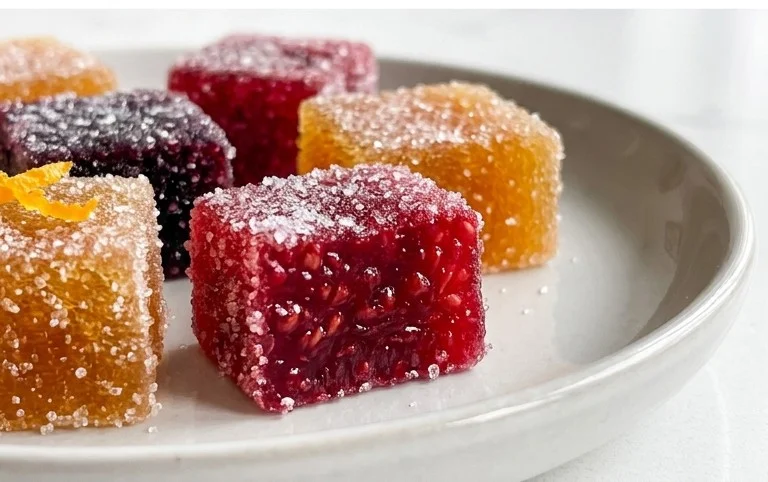
6. Cutting and Coating Your Pâtes de Fruits: Once your fruit jelly is fully set and firm to the touch, it’s time to cut it into those signature shapes. Lift the entire slab out of the baking dish using the parchment paper overhang. Place it on a clean cutting board. Using a sharp knife or a pizza cutter, cut the slab into your desired shapes – small squares or rectangles are traditional. Finally, generously coat each piece in granulated sugar, shaking off any excess. This sugary coating not only adds a delightful crunch but also helps to prevent the pâte de fruits from sticking to each other. Store your homemade pâte de fruits in an airtight container at room temperature for up to two weeks. Enjoy these little bursts of fruity happiness!
Conclusion:
Congratulations, you’ve learned to create absolutely delightful homemade pâtes de fruits without the use of corn syrup! This recipe is a triumph because it allows you to achieve that signature chewy texture and vibrant fruit flavor with simpler, more wholesome ingredients. The absence of corn syrup means you’re in complete control of the sweetness and can truly let the natural fruit shine through. Imagin extracte gifting these beautiful, jewel-like candies or simply enjoying a burst of sunshine in your afternoon tea. These pâtes de fruits are incredibly versatile. Serve them as a sophisticated after-dinner treat, alongside a cheese board for a sweet and savory contrast, or even chopped and stirred into yogurt for a homemade twist.
Don’t be afraid to experiment with different fruit combinations! Think beyond the classics and try exotic fruits like passionfruit, mango, or guava for a truly unique experience. Adding a touch of gin extractger or chili can also offer an exciting spicy kick. I truly encourage you to give this recipe a try. The process is rewarding, and the results are incredibly delicious. You’ll be so proud of these beautiful, homemade confections!
Frequently Asked Questions:
How do I store my homemade pâtes de fruits?
Once fully set and cut, store your pâtes de fruits in an airtight container at room temperature. You can place parchment paper between layers to prevent them from sticking. They should stay fresh for about 2-3 weeks.
Can I use frozen fruit for this recipe?
Yes, absolutely! Frozen fruit is a fantastic option and often more readily available. Ensure you thaw it completely and drain off any excess liquid before proceeding with the recipe.
My pâtes de fruits are too hard. What went wrong?
This usually means the sugar syrup was cooked to too high a temperature. It’s crucial to use a candy thermometer and aim for the specific temperature range outlined in the recipe. Overcooking leads to a harder candy.
Homemade Pâtes de Fruits (no corn syrup)
Delicious fruit jellies made from scratch without corn syrup, perfect for a sweet treat.
Ingredients
-
2 cups fruit juice (orange and pomegranate)
-
1 cup granulated sugar, plus more for coating
-
3 tablespoons classic pectin
-
1 tablespoon freshly squeezed lemon juice
Instructions
-
Step 1
In a medium saucepan, combine the fruit juice and 1 cup of granulated sugar. Stir to dissolve the sugar. -
Step 2
Whisk in the classic pectin until fully incorporated and no lumps remain. -
Step 3
Place the saucepan over medium-high heat and bring the mixture to a rolling boil, stirring constantly. Boil for 1 minute. -
Step 4
Remove from heat and stir in the lemon juice. -
Step 5
Pour the mixture into a shallow, parchment-lined pan (about 8×8 inches). Let it cool slightly. -
Step 6
Once cooled enough to handle, sprinkle the surface generously with granulated sugar. Let it set completely at room temperature for several hours or overnight. -
Step 7
Once set, cut the pâtes de fruits into desired shapes and coat each piece with additional granulated sugar.
Important Information
Nutrition Facts (Per Serving)
It is important to consider this information as approximate and not to use it as definitive health advice.
Allergy Information
Please check ingredients for potential allergens and consult a health professional if in doubt.