Easily Freeze Peaches for Later – Simple Guide
Freezing peaches is an absolute game-changer for enjoying the taste of summer all year round! If you’ve ever found yourself staring at a basket overflowing with ripe, juicy peaches, wondering how to capture that fleeting sweetness before they turn mushy, then you’re in the right place. We all adore peaches for their luscious texture and vibrant, sun-kissed flavor, perfect for pies, cobblers, smoothies, or simply eaten fresh. What makes preserving them through freezing peaches so special is its simplicity and effectiveness, allowing you to lock in that peak ripeness without complicated equipment or lengthy processes. This method is so straightforward; you’ll be wondering why you didn’t start freezing peaches years ago, ensuring you have a delicious stash ready for any craving or recipe inspiration that strikes!
Ingredients:
Freezing Peaches: How to Easily Freeze Peaches
There’s nothing quite like the taste of fresh, sun-ripened peaches. But what happens when you have a bumper crop, or when those juicy delights are on snon-alcoholic ale and you simply can’t resist? Freezing them, of course! Preserving the vibrant flavor and versatility of peaches for months to come is incredibly simple, and I’m here to walk you through the easiest way to do it. Whether you dream of homemade peach cobblers in the dead of winter, or want to add a burst of summer sweetness to your morning smoothies, frozen peaches are your secret weapon.
This method focuses on preserving the quality of the peaches with minimal effort, ensuring they remain delicious and easy to use when you need them. We’ll be using a simple sugar syrup and a handy product called Fruit Protector to keep those beautiful peach slices from browning and to maintain their wonderful texture.
Preparing Your Peaches
The first step to freezing perfect peaches is, naturally, preparing them. You’ll want to start with ripe, but not overly soft, peaches. Overripe peaches can become mushy once thawed.
Begin extract by washing your peaches thoroughly under cool running water. Gently rub them to remove any dust or debris. Next, you’ll need to peel them. While some prefer to leave the skin on, peeling them makes for a much more pleasant eating experience once thawed, and ensures a smoother texture in your finished dishes. A quick and easy way to peel peaches is to blanch them. Bring a pot of water to a rolling boil and prepare an ice bath – a large bowl filled with ice and water. Carefully drop the peaches into the boiling water for about 30-60 seconds, just until you see the skins starting to loosen. Immediately transfer them to the ice bath to stop the cooking process. Once cooled, the skins should slip right off with minimal effort. If some are a bit stubborn, a paring knife can help.
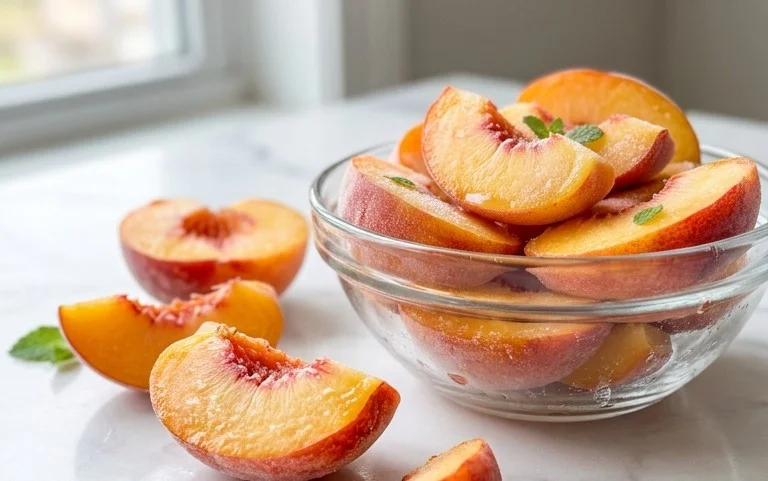
Once peeled, you’ll want to remove the pits. Slice the peach in half along the natural seam, then twist the halves in opposite directions. If the pit is still firmly in place, carefully cut around it with a small knife. Then, slice your peaches into your desired size. Uniform slices are helpful for even freezing and easier portioning later. Think about how you’ll use them most often. Halved or quartered slices are great for pies and crisps, while thinner slices are perfect for smoothies or as a topping.
Creating the Sugar Syrup and Fruit Protector Mixture
Now, let’s prepare the solution that will keep our precious peaches looking and tasting their best. In a medium bowl, combine your sugar and Fruit Protector. Stir them together until the sugar is evenly distributed throughout the Fruit Protector. This mixture acts as a protective barrier, preventing oxidation – that unsightly browning that can occur when cut fruit is exposed to air. The sugar also helps to maintain the texture of the peaches and enhances their natural sweetness. The Fruit Protector is a fantastic ingredient that truly makes a difference in the final quality of your frozen fruit. It’s a natural, food-grade product designed specifically to keep fruits and vegetables vibrant and fresh-looking.
Packing and Freezing Your Peaches
This is where the magic happens and your summer bounty gets locked away for future enjoyment. Gently place your prepared peach slices into a large bowl. Pour the sugar and Fruit Protector mixture over the peaches. Toss them gently to ensure each peach slice is coated. You want an even distribution of the protective solution. This coating is crucial for preventing freezer burn and preserving flavor.
Next, it’s time to pack them into containers. You have a few options here, depending on how you plan to use your frozen peaches. For individual servings or smaller batches, you can arrange the coated peach slices in a single layer on a baking sheet lined with parchment paper. This step is called flash freezing. Once the slices are frozen solid, you can then transfer them into freezer bags or containers. This prevents them from clumping together into a large, icy mass, making it much easier to grab just the portion you need.
Alternatively, if you plan to use larger quantities at once, you can pack the coated peach slices directly into freezer-safe bags or rigid containers. Be sure to remove as much air as possible from freezer bags before sealing them. Excess air is the enemy of frozen foods, leading to freezer burn. If using containers, leave about half an inch of headspace at the top, as the peaches will expand slightly as they freeze. Label your bags or containers with the date and contents so you know exactly what you have on hand.
Storing Your Frozen Peaches
Once your peaches are packed, they are ready to head into the freezer. Store them in the coldest part of your freezer, ideally at 0 degrees Fahrenheit (-18 degrees Celsius). Properly frozen peaches can last for 8 to 12 months, retaining their quality and flavor. When you’re ready to use them, you can thaw them overnight in the refrigerator, or for a quicker thaw, place them in a colander over a bowl and let them sit at room temperature. Keep in mind that thawed peaches may be a little softer than fresh ones, but they are still perfectly delicious for cooking, baking, and blending. Enjoy the taste of summer anytime!
Conclusion:
Preserving the sweet, summery goodness of peaches is incredibly rewarding, and as we’ve shown, freezing peaches is a fantastic and surprisingly simple way to do it. This method ensures you can enjoy the taste of peak-season peaches year-round, transforming them from a fleeting delight into a readily available ingredient for countless culinary creations. Whether you’re craving a comforting peach cobbler in the dead of winter or a refreshing smoothie on a crisp autumn morning, frozen peaches are your secret weapon.
Don’t hesitate to experiment with these frozen gems! They are perfect for baking pies, tarts, and crum extractbles, blending into vibrant sauces for desserts or savory dishes, or simply thawing and enjoying with a dollop of yogurt. For a delightful twist, consider freezing peaches with a hint of cinnamon or a squeeze of lemon juice to enhance their natural sweetness. I truly encourage you to give this easy freezing method a try – you’ll be so glad you did when you can pull out a bag of sunshine from your freezer!
Frequently Asked Questions:
How long can I freeze peaches?
You can confidently freeze peaches for up to 10-12 months. While they will remain safe to eat beyond this period, their quality, particularly their texture and flavor, may begin extract to diminish over time. For the best taste experience, aim to use them within a year.
Can I freeze peaches without peeling them?
Yes, you absolutely can! While peeling is often recommended for certain recipes where skin might be undesirable, it’s not strictly necessary for freezing. If you choose not to peel, you might notice slightly more texture from the skin when you eventually use the peaches, but it won’t significantly impact the flavor or freezing process itself. Many people find it saves time to leave the skins on.
Freezing Peaches, How to Easily Freeze Peaches
A simple and effective method to preserve fresh peaches for later enjoyment.
Ingredients
-
{‘@type’: ‘Quantity’, ‘item’: ‘Peaches’, ‘quantity’: ‘1’, ‘unitCode’: ‘qt’}
-
{‘@type’: ‘Quantity’, ‘item’: ‘Sugar’, ‘quantity’: ‘2/3’, ‘unitCode’: ‘cup’}
-
{‘@type’: ‘Quantity’, ‘item’: ‘Fruit Protector’, ‘quantity’: ‘3’, ‘unitCode’: ‘tsp’}
-
{‘@type’: ‘Quantity’, ‘item’: ‘Lemon Juice’, ‘quantity’: ‘2’, ‘unitCode’: ‘tablespoon’}
-
{‘@type’: ‘Quantity’, ‘item’: ‘Water’, ‘quantity’: ‘1/2’, ‘unitCode’: ‘cup’}
-
{‘@type’: ‘Quantity’, ‘item’: ‘Vanilla Extract’, ‘quantity’: ‘1’, ‘unitCode’: ‘teaspoon’}
Instructions
-
Step 1
Wash and pit the peaches. Peel them if desired, or leave the skin on for a more rustic texture. -
Step 2
Slice the peaches into desired sizes. Aim for uniform pieces for even freezing. -
Step 3
In a small bowl, whisk together the sugar, Fruit Protector, lemon juice, water, and vanilla extract until the sugar is dissolved. This creates a light syrup to prevent browning and preserve flavor. -
Step 4
Gently toss the peach slices with the syrup mixture, ensuring each piece is coated. -
Step 5
Arrange the coated peach slices in a single layer on a baking sheet lined with parchment paper. This ‘flash freezing’ prevents them from clumping together. -
Step 6
Place the baking sheet in the freezer until the peaches are solid, about 2-3 hours. -
Step 7
Once frozen, transfer the peach slices to airtight freezer bags or containers. Remove as much air as possible before sealing.
Important Information
Nutrition Facts (Per Serving)
It is important to consider this information as approximate and not to use it as definitive health advice.
Allergy Information
Please check ingredients for potential allergens and consult a health professional if in doubt.