Best Chimichurri Sauce Recipe-Fresh & Easy
Chimichurri Sauce Recipe – that vibrant, herbaceous, and utterly irresistible Argentinian condiment! If you’ve ever grilled steak to perfection, only to be elevated by a drizzle of emerald green magic, you know exactly what I’m talking about. This isn’t just any sauce; it’s a revelation. People adore chimichurri because it’s incredibly versatile, capable of transforming the simplest grilled chicken, roasted vegetables, or even a humble burger into something spectacular. What makes this chimichurri sauce so special is its incredible freshness. It’s a symphony of bright parsley, zesty garlic, tangy vinegar, and a gentle warmth from chili flakes, all brought together with good quality olive oil. It’s surprisingly easy to whip up, and once you taste it, you’ll understand why it’s a staple in kitchens worldwide. Get ready to discover your new favorite condiment!
Chimichurri Sauce Recipe
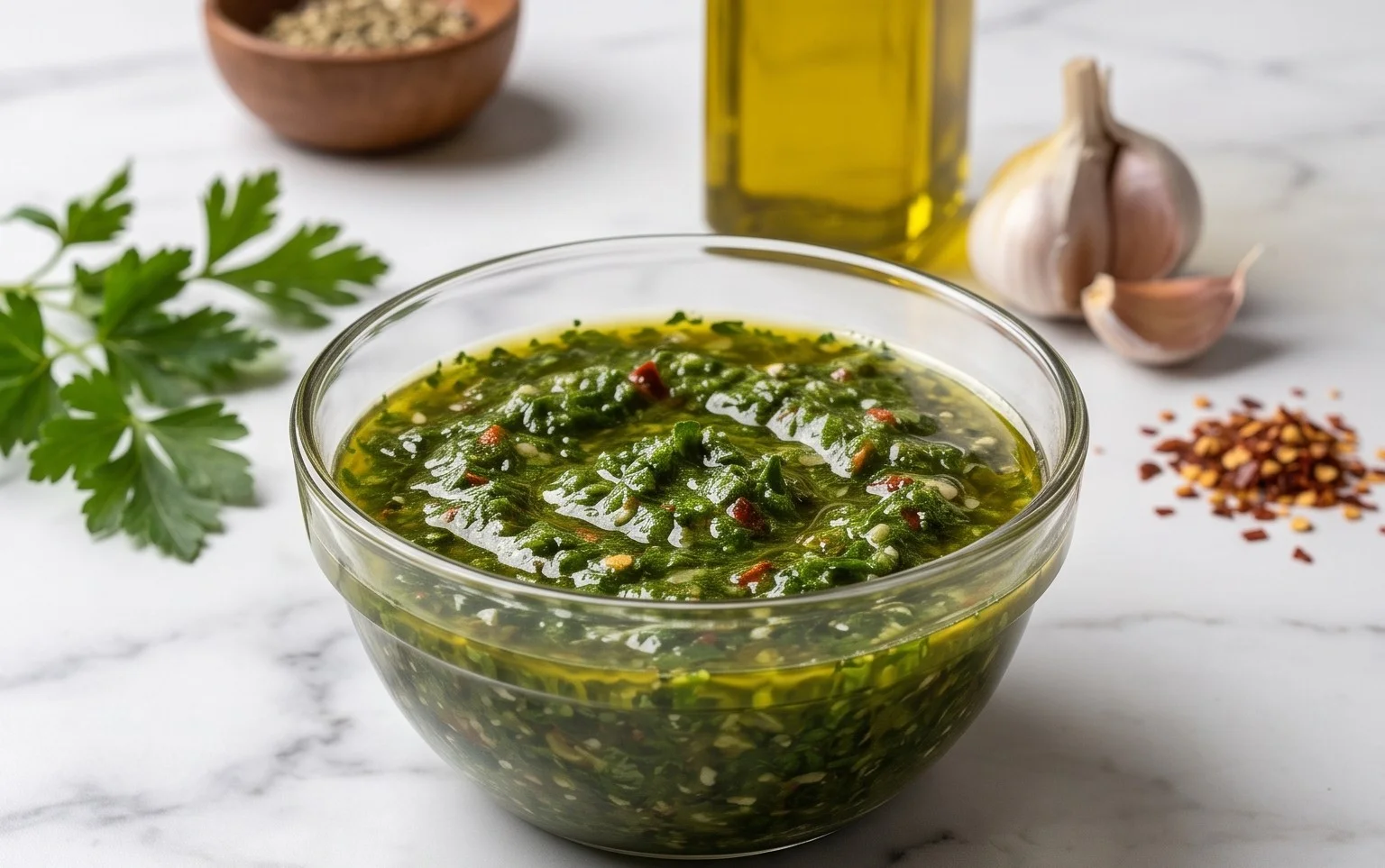
Ah, chimichurri! This vibrant, herbaceous Argentinian sauce is a true game-changer in the kitchen. It’s incredibly versatile, bursting with fresh flavors, and surprisingly simple to make. Forget those store-bought versions that often lack the punch of fresh herbs and the perfect balance of tang and spice. Making your own chimichurri from scratch is incredibly rewarding, and you’ll wonder how you ever lived without it. It’s the perfect accompaniment to grilled meats, roasted vegetables, fish, and even as a dip for crusty bread. Let’s dive into creating this emerald green elixir.
Ingredients:
Crafting Your Chimichurri
The beauty of chimichurri lies in its freshness, so using the best quality ingredients you can find will truly elevate the flavor. When selecting your herbs, look for bright, perky leaves that aren’t wilted or bruised. For the red onion or shallots, a finer chop will release more flavor into the sauce, so don’t be afraid to get them nice and small. As for the garlic, fresh is always best. If you’re sensitive to raw garlic’s bite, you can even lightly roast the cloves before adding them for a milder, sweeter flavor. The red pepper flakes are your gateway to heat; adjust this amount to your personal preference – a little more for a spicier kick, a little less if you prefer milder.
The foundation of our chimichurri will be built in a food processor. This is the easiest and quickest way to achieve the perfect consistency – a finely chopped, but not puréed, texture that allows all the wonderful flavors to meld beautifully. If you don’t have a food processor, you can also achieve this by meticulously chopping all the herbs and aromatics by hand with a sharp knife. It will take a bit more time and effort, but the result will be just as delicious, and some argue that hand-chopping allows for even better control over the texture.
Step-by-Step Instructions
1. Prepare the Aromatics and Herbs: Begin extract by placing the roughly chopped red onion or shallots, peeled garlic cloves, and red pepper flakes into the bowl of your food processor. Give these a few pulses until they are finely chopped. You want to break them down significantly, but not turn them into a paste. This initial pulsing helps to release their potent flavors and aromas, creating a flavorful base for your sauce.
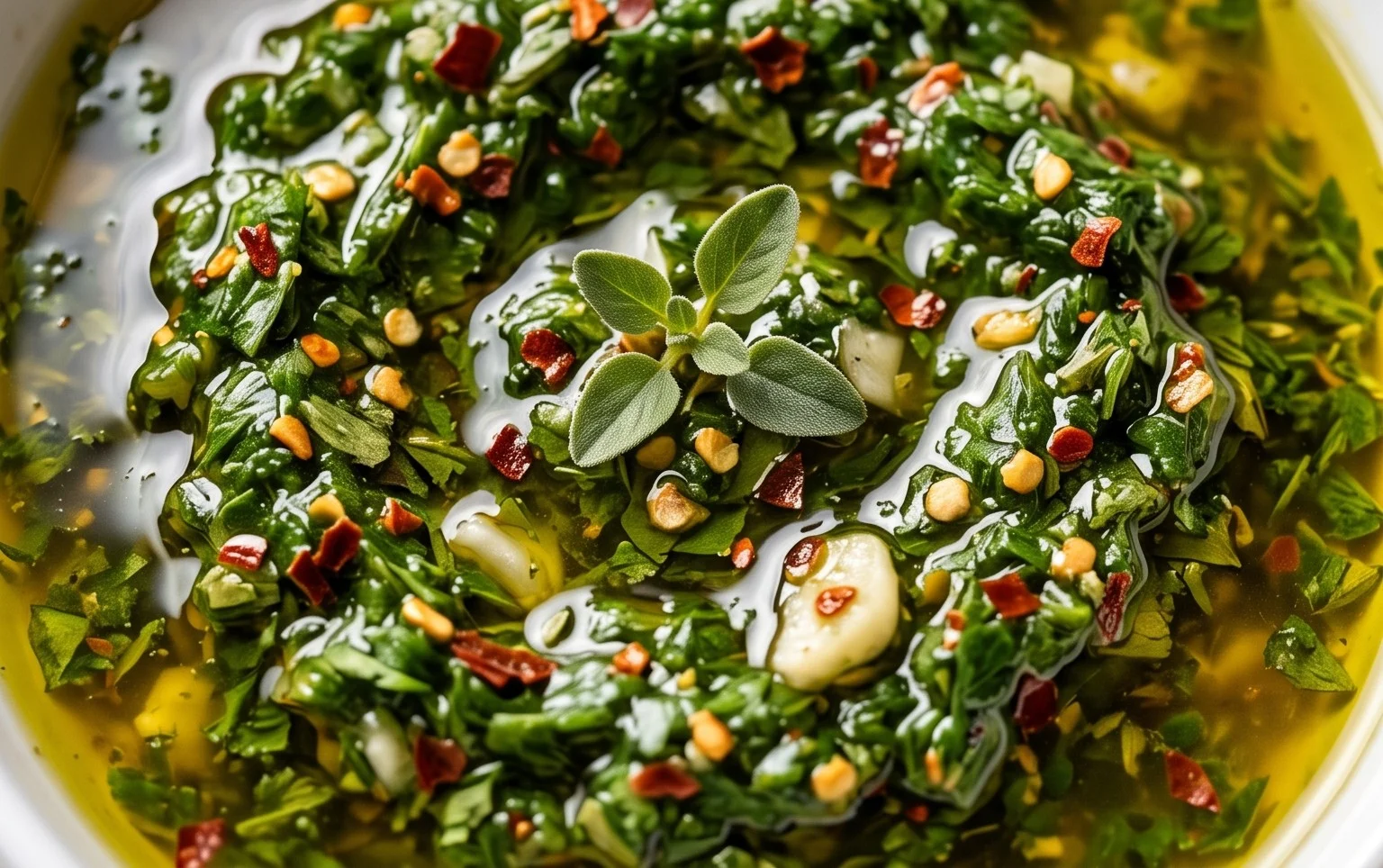
2. Add the Fresh Herbs: Now, add the stemmed parsley, cilantro, and oregano leaves to the food processor. Pulse again, but this time with short bursts, scraping down the sides of the bowl as needed. The goal here is to finely chop the herbs. You’re looking for a texture that’s still slightly textured, not a smooth green purée. Over-processing the herbs can lead to a bitter taste and a less appealing color, so be mindful of this. Aim for a consistency where you can still see distinct pieces of the herbs.
3. Introduce the Liquids and Salt: Once your herbs and aromatics are finely chopped, it’s time to incorporate the wet ingredients. Pour in the extra-virgin extract olive oil, red grape juice vinegar, and fresh lemon juice. Add the kosher salt. Now, process again until everything is well combined and the sauce has a slightly emulsified consistency. It should be a vibrant green color with a beautiful, fresh aroma. You want it to be cohesive but still retain a bit of its chunky texture.
4. Taste and Adjust: This is a crucial step for achieving chimichurri perfection! Transfer a small amount of the sauce to a spoon and taste it. Does it need more salt? Perhaps a touch more acidity from the lemon juice or vinegar? If you want it spicier, you can add a pinch more red pepper flakes. Chimichurri is all about balance, so don’t be afraid to tweak it until it sings to your palate. Remember, the flavors will also meld and develop further as it rests.
5. Rest and Serve: For the best flavor, it’s highly recommended to let your chimichurri rest for at least 30 minutes before serving. This allows all the incredible flavors to meld together, creating a more complex and harmonious sauce. You can cover it and leave it at room temperature, or if you plan to store it for longer, transfer it to an airtight container and refrigerate. Chimichurri is best enjoyed fresh, but it will keep in the refrigerator for up to a week.
This homemade chimichurri is a revelation. Drizzle it generously over grilled steaks, chicken, or fish. It’s also fantastic with roasted vegetables, as a marinade, or even stirred into a vinaigrette for a salad dressing. Experiment and discover your favorite ways to use this incredible sauce – I promise you’ll be making it again and again!
Conclusion:
There you have it! This chimichurri sauce recipe is a vibrant, herb-packed flavor explosion that’s surprisingly simple to whip up. Its fresh, zesty profile is perfect for elevating a wide range of dishes, from grilled meats and fish to roasted vegetables and even as a dipping sauce for bread. The beauty of this recipe lies in its versatility and the ability to customize it to your personal taste. Don’t be afraid to experiment with the herb ratios or the level of spice to make it uniquely yours. I truly encourage you to give this fantastic chimichurri a try; you’ll be amazed at how a few fresh ingredients can transform your meals. It’s a staple I keep in my fridge year-round!
Frequently Asked Questions:
How long does chimichurri sauce last?
When stored properly in an airtight container in the refrigerator, this chimichurri sauce can last for up to 5-7 days. The fresh herbs will remain vibrant, though the flavor might mellow slightly over time. It’s always best to give it a good stir before serving.
Can I freeze chimichurri sauce?
While it’s best enjoyed fresh, you can freeze chimichurri sauce. For best results, I recommend freezing it in ice cube trays for convenient portioning. Once frozen, transfer the cubes to a freezer-safe bag or container. Thaw in the refrigerator before using. Keep in mind that the texture of the herbs might change slightly after freezing and thawing, but the flavor will still be delicious.
What are some other serving suggestions for chimichurri?
Beyond grilled meats and vegetables, this chimichurri is incredible drizzled over scrambled eggs, used as a marinade for chicken or beef, or mixed into a potato salad for a fresh twist. It also makes a fantastic topping for tacos or a vibrant dressing for a grain bowl. The possibilities are truly endless!
Chimichurri Sauce Recipe
A vibrant and flavorful Argentinian sauce perfect for grilled meats.
Ingredients
-
1 cup fresh Italian flat-leaf parsley
-
1/4 cup fresh cilantro
-
1/4 cup fresh oregano
-
1/3 cup roughly chopped red onion
-
3 cloves garlic
-
1/2 teaspoon red pepper flakes
-
1/2 cup extra-virgin olive oil
-
1/4 cup red grape juice vinegar
-
3 tablespoons fresh lemon juice
-
1 teaspoon kosher salt
Instructions
-
Step 1
Finely chop the parsley, cilantro, and oregano. -
Step 2
Mince the red onion or shallots and the garlic. -
Step 3
In a medium bowl, combine the chopped herbs, minced onion, minced garlic, and red pepper flakes. -
Step 4
Whisk in the extra-virgin olive oil, red grape juice vinegar, fresh lemon juice, and kosher salt until well combined. -
Step 5
Let the sauce sit for at least 10 minutes to allow the flavors to meld. -
Step 6
Taste and adjust seasoning if necessary.
Important Information
Nutrition Facts (Per Serving)
It is important to consider this information as approximate and not to use it as definitive health advice.
Allergy Information
Please check ingredients for potential allergens and consult a health professional if in doubt.