Chimichurri Sauce – Fresh Herb Flavor Perfection
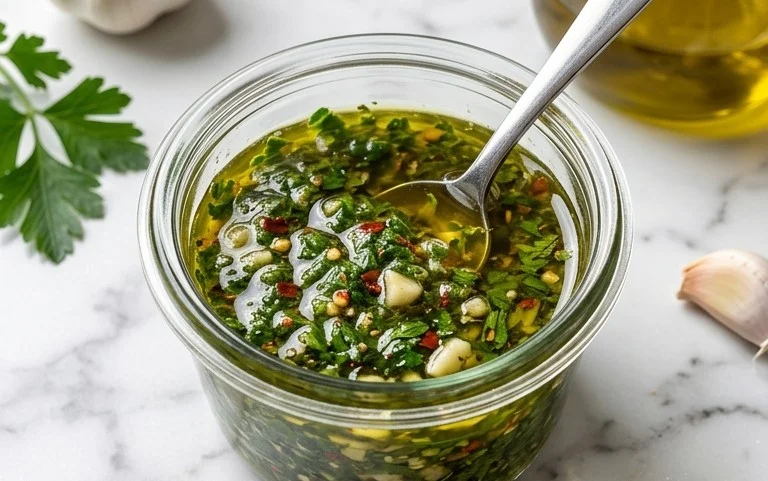
Chimichurri sauce is more than just a condiment; it’s a vibrant explosion of fresh flavor that can transform any meal from ordinary to unforgettable. If you’ve ever savored a perfectly grilled steak in Argentina or Uruguay, chances are you’ve encountered this herbaceous magic. People adore chimichurri sauce because it’s incredibly versatile, bursting with bright, zesty notes from fresh parsley and cilantro, a pleasant kick from garlic and chili, and a subtle tang from red grape juice vinegar. What truly makes this Argentinian staple special is its uncooked nature, preserving the integrity and freshness of its ingredients. It’s the ultimate accompaniment to grilled meats, chicken, fish, and even vegetables, adding a lively, herbaceous counterpoint that cuts through richness and awakens the palate.
Chimichurri Sauce: Your Secret Weapon for Vibrant Flavor
There are few sauces that can instantly elevate a dish from ordinary to extraordinary quite like chimichurri. This vibrant, herbaceous condiment, origin extractating from Argentina and Uruguay, is a revelation of fresh flavors. Forget heavy, creamy sauces; chimichurri is all about brightness, tang, and a delightful herbaceous punch. It’s incredibly versatile, pairing beautifully with grilled meats, roasted vegetables, fish, and even as a salad dressing. Making it from scratch is surprisingly simple, and the results are infinitely superior to any store-bought version. Get ready to discover your new favorite condiment.
Ingredients:
*Note on Parsley: Using flat-leaf (Italian) parsley is highly recommended for its superior flavor and texture compared to curly parsley. Make sure it’s fresh and vibrant for the best results.
**Note on Olive Oil: A good quality extra virgin extract olive oil will make a noticeable difference in the final flavor of your chimichurri. Choose one you enjoy the taste of on its own.
Preparing Your Fresh Ingredients
Before we dive into mixing, it’s crucial to prep your fresh herbs and aromatics. This step is simple but important for achieving the right texture and flavor.
First, wash your parsley, cilantro, and oregano thoroughly under cool running water. Gently pat them dry with a clean kitchen towel or use a salad spinner. Remove any thick, woody stems from the parsley and cilantro. You want to use just the leafy parts. For the oregano, if you are using fresh, strip the leaves from the stems. If using dried oregano, you’ll simply measure it out.
Next, peel your garlic cloves and your red onion or shallot. The key here is to have all your ingredients ready to go before you start chopping.
The Art of Chopping
The texture of your chimichurri is a matter of personal preference, but traditionally, it’s finely chopped, not pureed. This allows for little bursts of flavor and a pleasant mouthfeel.
Begin extract by finely mincing the garlic. You want it to be as small as possible without turning it into a paste. Then, mince the red onion or shallot. Again, aim for very small pieces.
Now, it’s time for the herbs. Finely chop the parsley, cilantro, and fresh oregano. You can do this in batches if needed. The goal is to have a very finely minced mixture of all your herbs. Don’t worry if the pieces aren’t perfectly uniform; a little variation adds character.
Bringin extractg It All Together: The Flavor Fusion
This is where the magic happens. In a medium-sized bowl, combine all your prepared ingredients.
Start by adding the minced garlic, red onion (or shallot), and the chopped fresh herbs to the bowl. Then, pour in the red grape juice vinegar and fresh lemon juice. Add the salt and red pepper flakes (if using). Give everything a good stir to combine.
Emulsifying the Sauce: The Olive Oil Integration
The final step in creating a beautiful, cohesive chimichurri is to slowly incorporate the olive oil. This process is called emulsification, and it creates a sauce that is rich yet light.
You have two main approaches here, depending on your desired consistency.
Method 1: Hand Chopping and Stirring (Traditional)
If you prefer a more rustic and traditional chimichurri, continue with the bowl method. While stirring the herb and vinegar mixture constantly with a spoon, slowly drizzle in the olive oil. Continue stirring until the oil is fully incorporated and the sauce begin extracts to thicken slightly. This method allows you to control the texture and stop when it feels just right. You’ll notice the vibrant green color really coming to life as the oil blends with the herbs.
Method 2: Food Processor (Quicker and Smoother)
For a quicker method and a slightly smoother sauce, you can use a food processor. Add all the ingredients except the olive oil to the bowl of your food processor. Pulse a few times until everything is finely chopped and well combined. Then, with the motor running on low, slowly drizzle in the olive oil through the feed tube. Continue processing until the sauce reaches your desired consistency. Be careful not to over-process, or you’ll end up with a paste.
Tasting and Adjusting
Once your chimichurri is assembled, it’s time for the most important step: tasting and adjusting the seasoning. This is where you make it truly your own.
Take a small spoonful and taste. Does it need more salt? A little more tang from the vinegar or lemon juice? Perhaps a pinch more red pepper flakes for a touch of heat? Don’t be shy! Chimichurri should be bold and bright. Add your adjustments a little at a time, stir, and taste again until it’s perfect for your palate.
Let the chimichurri sit for at least 15-30 minutes before serving. This resting period allows the flavors to meld and deepen, creating a more complex and harmonious sauce. You can even make it a day in advance; the flavor will only improve. Store it in an airtight container in the refrigerator. The olive oil might solidify slightly when cold, but it will easily loosen up at room temperature. Enjoy the burst of fresh flavor this incredible sauce brings to your meals!
Conclusion:
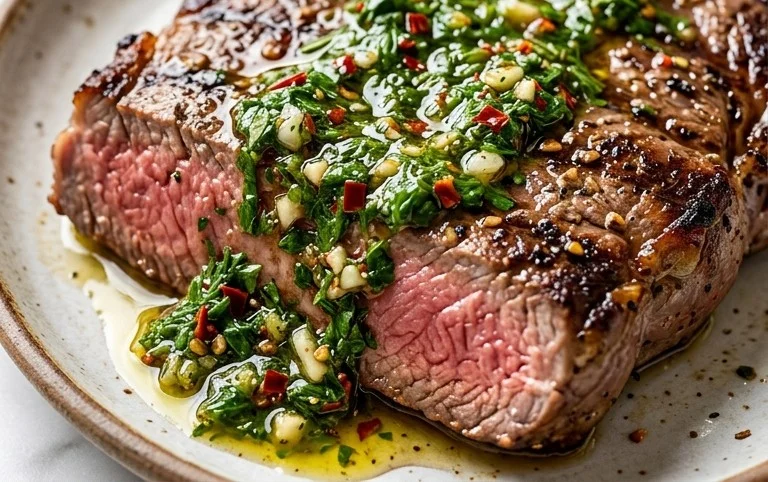
And there you have it – your very own vibrant, zesty, and incredibly versatile chimichurri sauce recipe! This isn’t just a condiment; it’s a flavor revolution waiting to happen in your kitchen. Its bright, herbaceous notes and subtle kick make it the perfect partner for grilled meats, roasted vegetables, and so much more. We’ve explored how simple it is to whip up this Argentinian classic, transforming everyday meals into something truly special. Don’t be afraid to experiment with serving suggestions – think alongside succulent steaks, as a dressing for hearty salads, or even slathered on toasted bread. The beauty of chimichurri lies in its adaptability. While this classic version is fantastic, feel free to play with the herb ratios or even add a pinch of red pepper flakes for extra heat. I encourage you all to give this chimichurri sauce a try; I promise it will become a staple in your recipe repertoire. Get ready to elevate your culinary game!
Frequently Asked Questions about Chimichurri Sauce:
Can I make chimichurri sauce ahead of time?
Absolutely! Chimichurri sauce actually tastes even better after a day or two, allowing the flavors to meld beautifully. Store it in an airtight container in the refrigerator for up to a week. Just give it a good stir before serving.
What if I don’t have fresh parsley?
While fresh parsley is key to the authentic taste, you can substitute it with other fresh herbs if needed. A mix of fresh cilantro and basil can provide a delicious alternative, though the flavor profile will be slightly different. For best results, stick to fresh herbs whenever possible.
Is chimichurri sauce spicy?
The standard recipe for chimichurri sauce has a mild warmth from garlic and optional red pepper flakes, but it’s not typically considered spicy. You can easily adjust the heat by adding more or less of the red pepper flakes according to your personal preference.
Chimichurri Sauce
A vibrant and herbaceous Argentinian sauce, perfect for grilling meats or as a versatile condiment.
Ingredients
-
1 1/2 cups well packed (42g) fresh parsley
-
1/2 cup well packed (20g) fresh cilantro
-
1/4 cup (9g) fresh oregano
-
1/4 small red onion
-
3 garlic cloves
-
3 Tbsp red grape juice vinegar
-
2 Tbsp fresh lemon juice
-
1/2 tsp salt
-
1/4 tsp red pepper flakes
-
3/4 cup olive oil
Instructions
-
Step 1
Finely chop the fresh parsley, cilantro, and oregano. If using dried oregano, ensure it’s finely crumbled. -
Step 2
Finely mince the red onion (or shallot) and garlic cloves. -
Step 3
In a medium bowl, combine the chopped herbs, minced onion/shallot, minced garlic, red grape juice vinegar, fresh lemon juice, salt, and red pepper flakes (if using). -
Step 4
Whisk the ingredients together to combine. -
Step 5
Slowly drizzle in the olive oil while whisking continuously until the sauce is well emulsified. -
Step 6
Taste and adjust salt and red pepper flakes as needed. -
Step 7
For best flavor, let the chimichurri sauce sit at room temperature for at least 15-30 minutes before serving to allow the flavors to meld.
Important Information
Nutrition Facts (Per Serving)
It is important to consider this information as approximate and not to use it as definitive health advice.
Allergy Information
Please check ingredients for potential allergens and consult a health professional if in doubt.