
Easy Miso Soup Recipe – Quick & Delicious
Miso soup recipe. There are few dishes as comforting and universally loved as a steaming bowl of miso soup. It’s the quintessential starter in Japanese cuisine, a warm embrace that signals the begin extractning of a delicious meal. But it’s more than just a prelude; miso soup is a star in its own right, a testament to the beauty of simple, wholesome ingredients. What is it about this humble broth that captivates so many? Perhaps it’s the delicate balance of savory umami from the miso paste, the subtle oceanic notes from the kombu, and the satisfying textures of silken tofu and tender wakame seaweed. It’s a dish that feels both nourishing and incredibly grounding, a quick trip to culinary serenity. Today, I’m thrilled to share my go-to miso soup recipe, a foolproof guide to recreating this beloved classic in your own kitchen. Get ready to elevate your weeknight dinners or impress guests with this truly special miso soup recipe.
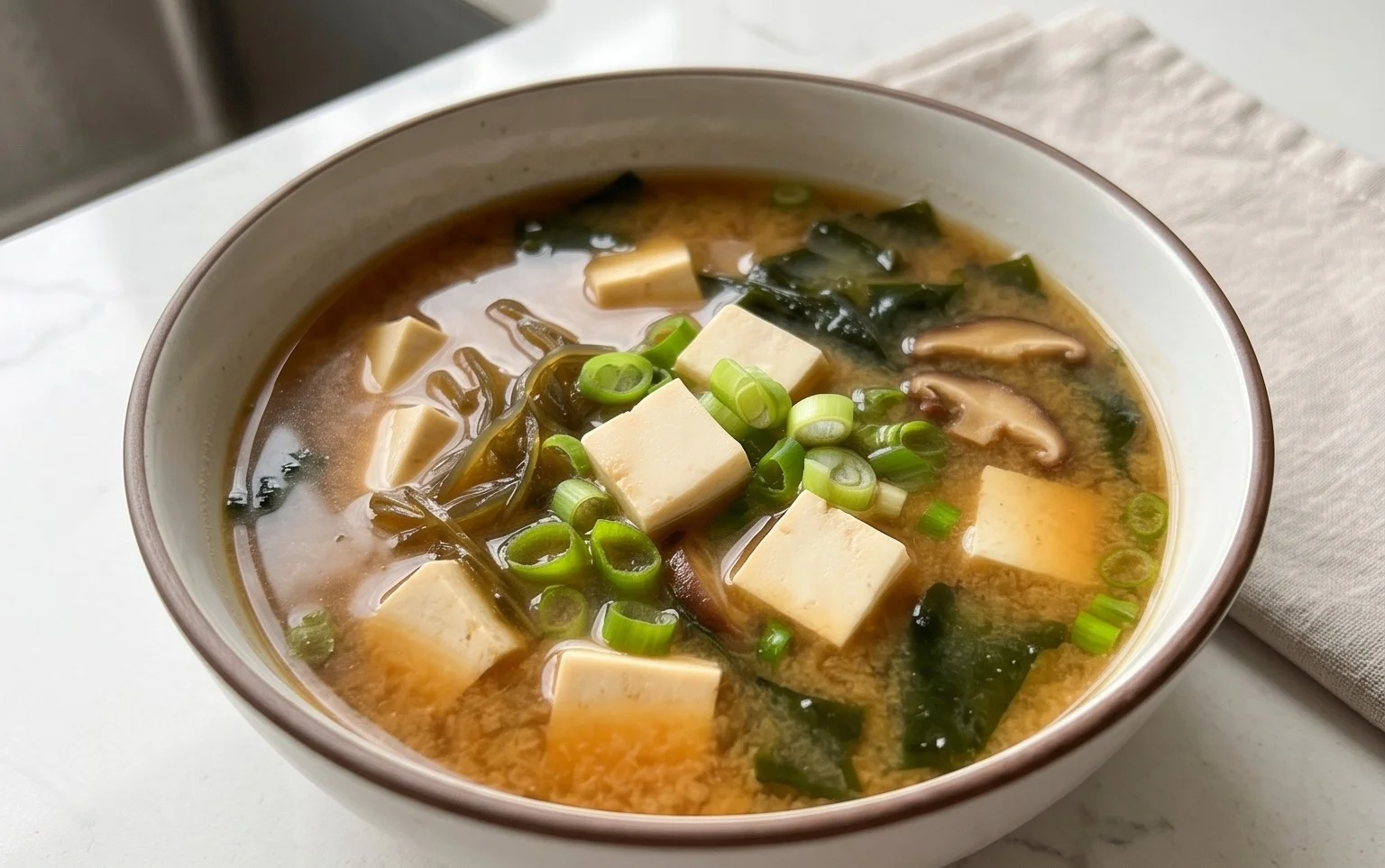
Miso Soup Recipe
There’s something incredibly comforting and nourishing about a steaming bowl of miso soup. It’s a staple in Japanese cuisine, and for good reason. The rich, umami-packed broth, the silken tofu, and the delicate kiss of seaweed create a simple yet profoundly satisfying experience. What’s even better is how incredibly easy it is to make this classic dish at home. Forget the instant packets; making authentic miso soup from scratch is a rewarding endeavor that takes mere minutes and delivers a depth of flavor that will have you hooked. This recipe is designed to be straightforward, allowing you to whip up a delicious bowl of miso soup whenever the craving strikes. Whether you’re looking for a light starter to a meal or a warm pick-me-up on a chilly evening, this miso soup is the perfect solution.
Ingredients:
Cooking Instructions
Preparing this simple yet elegant miso soup is a delightful process. We’ll start by hydrating our seaweed, which will add a wonderful oceanic depth to our broth. Then, we’ll gently warm our dashi and introduce the star of the show: the miso paste. Finally, we’ll add our delicate tofu and fresh scallions to complete this nourishing bowl.
Prepare the Seaweed:
The first step is to rehydrate the dried seaweed. Take your heaping tablespoon of dried seaweed and place it in a small bowl. Pour a little bit of warm water over it, just enough to cover the seaweed. Let it sit for about 5 to 10 minutes. You’ll notice it expands significantly and becomes tender. Once rehydrated, gently squeeze out any excess water. If the pieces are too large for your liking, you can also give them a quick chop with kitchen scissors to make them more manageable in your soup. This step is crucial for texture and flavor.
Warm the Dashi:
In a medium saucepan, pour in your 2½ cups of dashi. Dashi is the fundamental broth of Japanese cooking, providing that characteristic umami flavor. You can buy dashi powder or granules at most Asian grocery stores, or even online, and it’s incredibly easy to prepare according to package directions. Place the saucepan over medium heat. You want to bring the dashi to a gentle simmer, not a rolling boil. A gentle simmer ensures that we don’t overcook the delicate ingredients that will be added later. Keep an eye on it, and as soon as you see small bubbles forming around the edges, reduce the heat to low to maintain that gentle warmth.
Infuse with Miso Paste:
This is where the magic truly happens. Once your dashi is gently simmering, it’s time to add the miso paste. Miso paste comes in various types – white (shiro), yellow (shinshu), and red (aka) – each offering a different flavor profile. White miso is the mildest and sweetest, red is the most robust and salty, and yellow falls somewhere in between. For this recipe, feel free to use your favorite, or experiment with a blend! To incorporate the miso paste without clumping, it’s best to dilute it first. Ladle a small amount of the warm dashi into a separate small bowl. Add your 2 to 2½ tablespoons of miso paste to this bowl and whisk it thoroughly until it’s completely smooth and dissolved. This technique prevents the miso from forming unpleasant lumps in your soup. Once dissolved, gently pour this miso mixture back into the saucepan with the rest of the dashi. Stir gently to combine.
Add Tofu and Seaweed:
Now it’s time to add the silken tofu and the rehydrated seaweed. Gently add the small pieces of silken tofu to the simmering broth. Be careful not to stir too vigorously at this stage, as silken tofu is quite delicate and can break apart easily. We want to warm it through, not mash it. Add the rehydrated seaweed as well. Allow the soup to simmer gently for another 2 to 3 minutes, just long enough for the tofu to heat through and the seaweed to soften further and release its flavor into the broth. Remember, we are not trying to boil the soup after adding the miso, as high heat can diminish its delicate flavor and beneficial properties.
Serve and Garnish:
Your delicious homemade miso soup is almost ready! Carefully ladle the soup into individual serving bowls. Make sure to get a good distribution of tofu and seaweed in each bowl. Finally, sprinkle the chopped scallions generously over the top of each bowl. The fresh, sharp bite of the scallions provides a wonderful contrast to the rich, savory broth and adds a beautiful pop of color. Serve immediately and enjoy the comforting warmth and authentic flavors of your homemade miso soup. You can adjust the amount of miso paste to your personal preference; start with 2 tablespoons and add more if you desire a stronger flavor. Some people also like to add a few drops of sesame oil or a pinch of shichimi togarashi (Japanese seven-spice blend) for an extra layer of complexity.
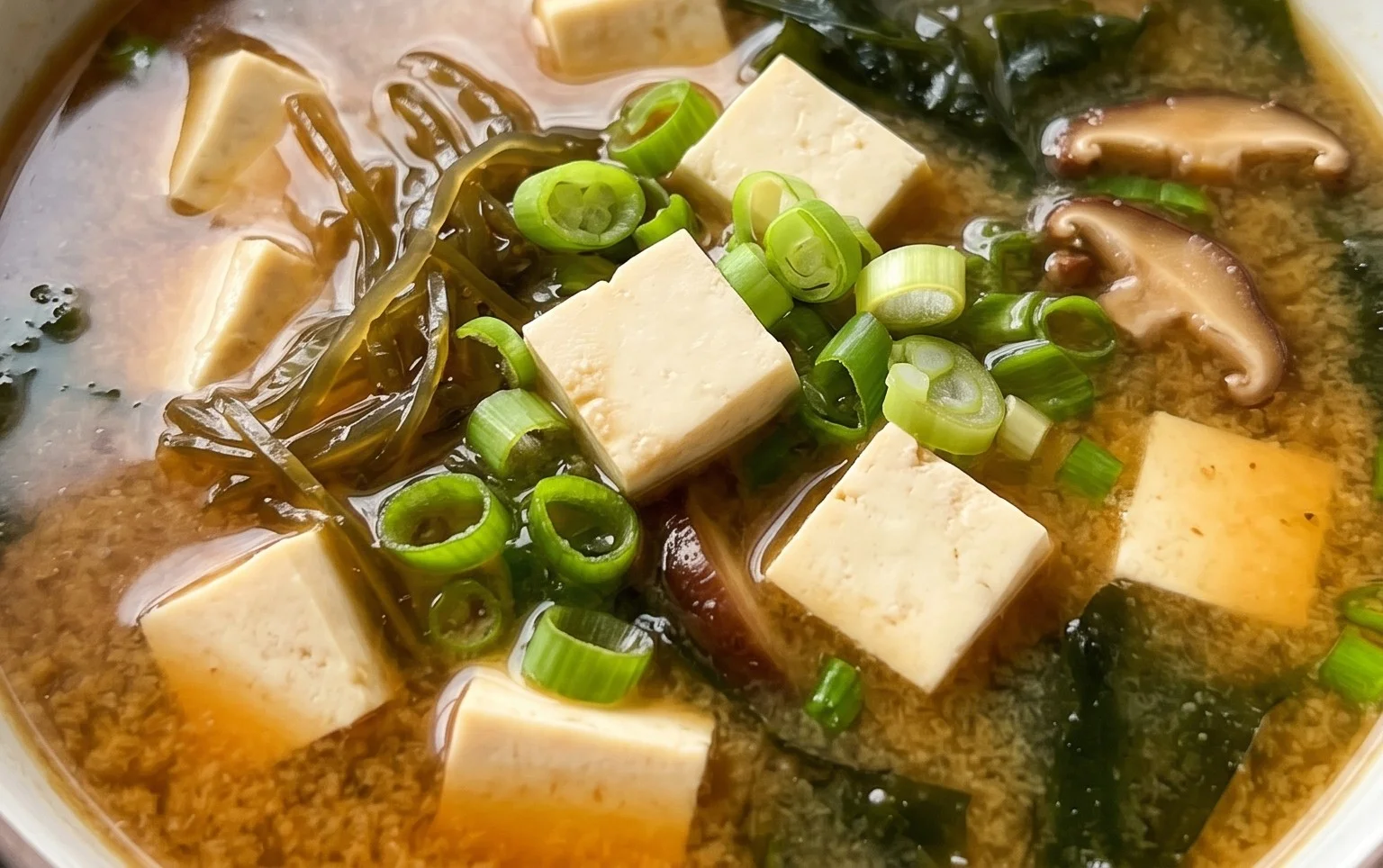
Conclusion:
There you have it – a wonderfully simple yet deeply satisfying Miso Soup recipe that’s perfect for any occasion. This recipe is a true winner because it’s incredibly quick to prepare, requiring minimal ingredients and effort, yet delivers an authentic and comforting flavor profile that is both umami-rich and subtly sweet. It’s the perfect starter for any Japanese meal, a light and healthy lunch, or even a comforting evening treat. Don’t hesitate to experiment with the included variations or let your creativity shine with your own additions! I truly encourage you to give this delightful Miso Soup a try – you won’t be disappointed!
Frequently Asked Questions:
What kind of miso paste should I use?
For a classic Miso Soup, white miso (shiro miso) is a popular choice as it has a mild, slightly sweet flavor. Red miso (aka miso) offers a bolder, more robust taste, while awase miso is a blend of white and red, providing a balanced flavor. Feel free to experiment to find your favorite!
Can I make this recipe vegan?
Absolutely! Simply ensure you are using vegetable broth instead of dashi made with bonito flakes. Many dried kombu (kelp) or shiitake mushroom dashi packets are vegan-friendly. This makes our Miso Soup recipe wonderfully adaptable.
What other ingredients can I add to my Miso Soup?
The possibilities are endless! You can add sliced tofu (firm or silken), thinly sliced green onions, mushrooms (shiitake, enoki), spinach, bok choy, edamame, or even a sprinkle of toasted sesame seeds for extra texture and flavor.
Miso Soup Recipe
A simple and traditional Japanese miso soup, perfect as a starter or a light meal.
Ingredients
-
2½ cups Dashi
-
1 heaping tablespoon dried seaweed
-
4 oz silken tofu (cut into small pieces)
-
2-2½ tablespoons miso paste (or to taste)
-
1 tablespoon scallion (chopped)
-
1 teaspoon soy sauce (for umami boost)
-
Pinch of white pepper
Instructions
-
Step 1
Soak the dried seaweed in a small bowl of water for about 5 minutes until rehydrated. Drain and set aside. -
Step 2
In a medium saucepan, heat the Dashi over medium heat until simmering. -
Step 3
Add the rehydrated seaweed and silken tofu to the simmering Dashi. Cook for 2-3 minutes until the tofu is warmed through. -
Step 4
In a small bowl, whisk together the miso paste with a ladleful of the hot Dashi until smooth. This prevents the miso from clumping. -
Step 5
Gently stir the dissolved miso mixture into the saucepan. Do not boil the soup after adding the miso, as this can diminish its flavor and aroma. -
Step 6
Stir in the soy sauce and white pepper. Adjust seasoning as needed. -
Step 7
Ladle the miso soup into individual bowls and garnish with chopped scallions before serving immediately.
Important Information
Nutrition Facts (Per Serving)
It is important to consider this information as approximate and not to use it as definitive health advice.
Allergy Information
Please check ingredients for potential allergens and consult a health professional if in doubt.